
Material Trends in 2026: What’s Defining Interiors Right Now

Materials are no longer just a backdrop
— they’re becoming the main character of interior design. In 2026, we’re seeing a shift toward tactile richness, expressive surfaces, and a balance between refinement and imperfection.
Here’s a breakdown of the key material directions shaping interiors this year.

Warm Wood: The Foundation
Warm-toned wood is the constant that ties everything together.
Compared to previous years:
Less grey, more natural tones
More visible grain
Often paired with stone and textured finishes
It grounds the space and adds warmth to more experimental materials.

Bold Marble: Expressive Stone
Neutral marble is stepping aside for more expressive options—deep reds, dramatic veining, and strong contrasts.
Used for:
Kitchen islands
Tabletops
Feature elements
It becomes a focal point rather than a background material.

Mohair Velvet: Depth & Warmth
For contrast to all the natural textures, mohair velvet adds richness and depth.
Unlike traditional velvet, it feels more refined and less glossy—perfect for:
Sofas
Lounge chairs
Accent pieces
It elevates a space without overpowering it.

Murano Glass: Statement Lighting
Lighting is becoming sculptural again, and Murano glass is leading that direction.
Expect:
Dramatic chandeliers
Organic, fluid forms
Warm, glowing tones
It adds artistry and individuality to otherwise restrained spaces.

Roman Clay: Soft Architectural Surfaces
Roman clay is becoming a favorite for walls, especially in minimal interiors.
Its appeal lies in:
Soft, layered texture
Seamless application
Warm, earthy tones
It replaces flat painted walls with something more tactile and atmospheric.

Travertine: Quiet Luxury
Travertine continues to lead the “quiet luxury” movement. Its subtle texture and warm neutral tones make it extremely versatile.
In 2026, it’s used beyond bathrooms:
Full wall cladding
Furniture pieces
Flooring with seamless transitions
It’s calm, architectural, and timeless.

Linen: Soft Minimalism
Linen is becoming the go-to upholstery fabric. It brings softness without feeling heavy or overly styled.
Why designers love it:
Natural, breathable aesthetic
Works across styles—from rustic to contemporary
Ages beautifully over time
It’s less about perfection and more about comfort and authenticity.

Zellige: Handmade Texture
Zellige tiles continue to dominate, especially in kitchens and bathrooms. Their irregular edges and tonal variation create movement even in neutral palettes.
Best used for:
Backsplashes
Feature walls
Small areas where texture can stand out
They work particularly well with warm lighting and natural materials

Patina: Imperfection as Luxury
Perfect finishes are losing their appeal. Patinated metals and aged surfaces bring character, depth, and a sense of time.
You’ll see this in kitchen islands, cabinetry panels, and statement furniture.
Key idea:Luxury is no longer about perfection—it’s about story and texture.
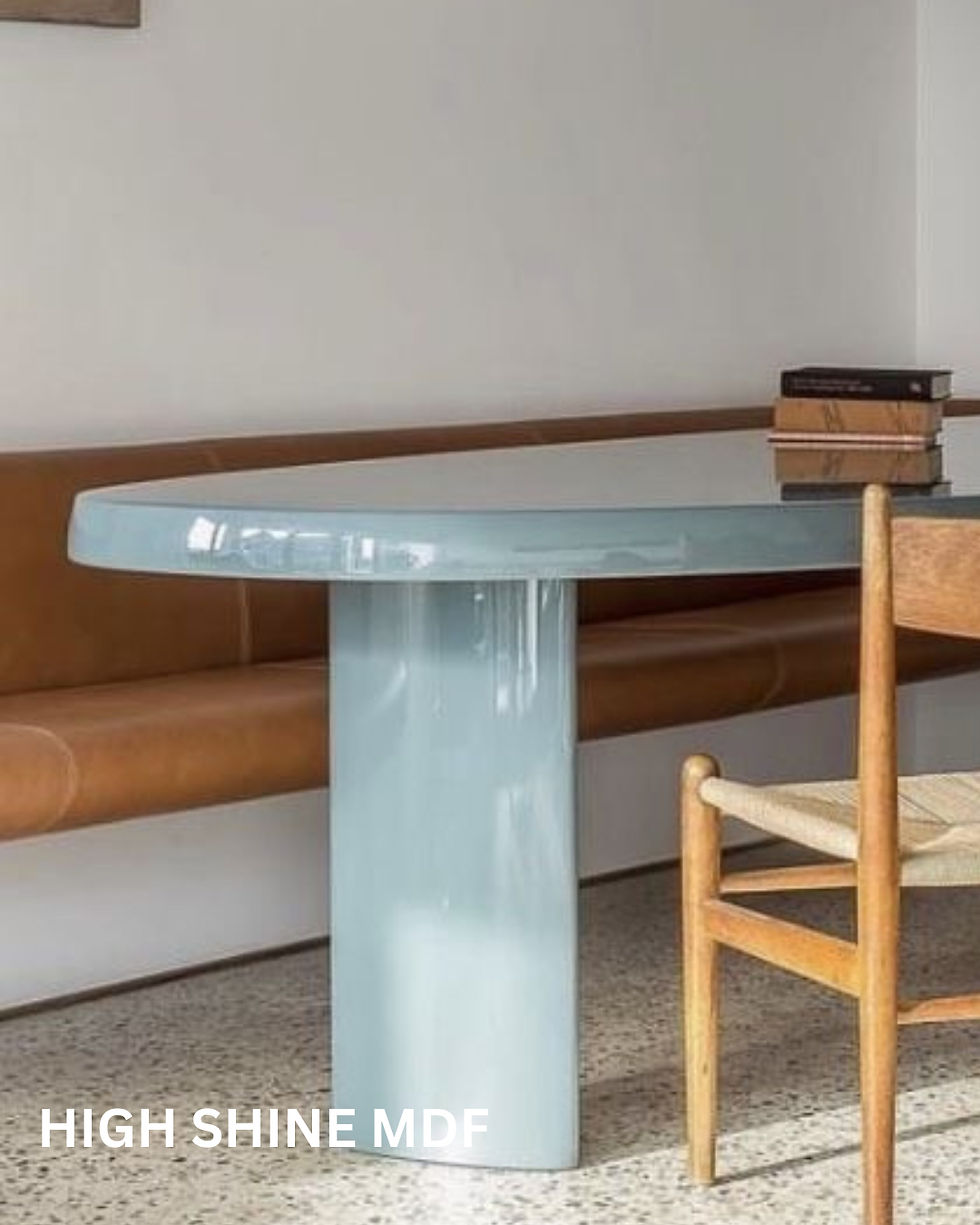
High Shine MDF: The Return of Gloss
After years of matte dominance, gloss is quietly making a comeback—but in a more controlled, architectural way.
High-shine MDF is being used on sculptural furniture pieces rather than full kitchens or large surfaces. Think curved dining tables, monolithic islands, and bold color applications.
Why it works now:
Reflects light, adding depth to minimal spaces
Pairs well with soft, natural materials (linen, wood)
Feels contemporary without being overly futuristic
Final Thought
The biggest shift in 2026 isn’t a single material—it’s the mix.
Gloss with linen.Stone with clay.Patina with clean geometry.
It’s about contrast, layering, and creating spaces that feel both designed and lived-in.


Comments